Why Rebuild When You Can Repair & Reinforce
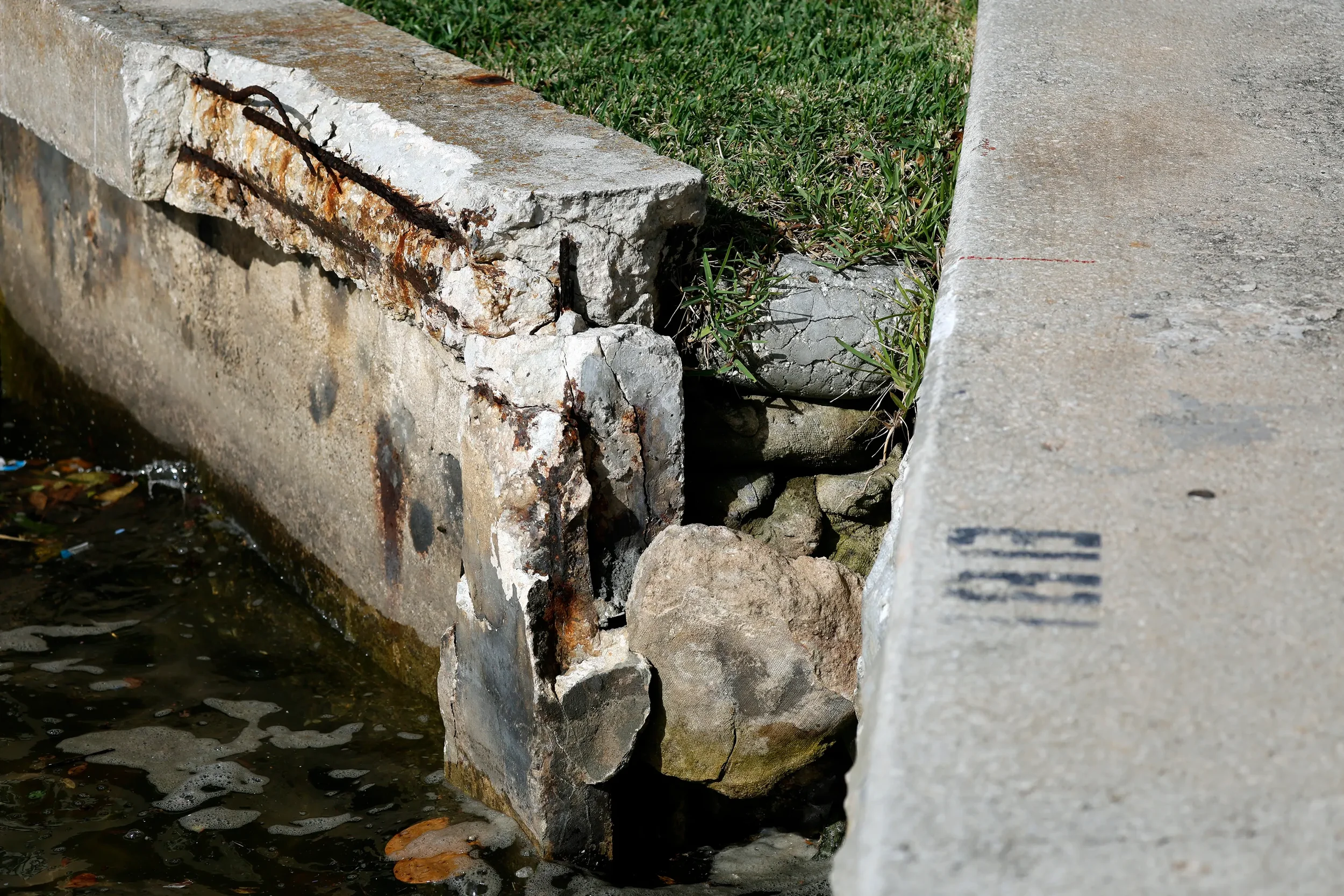
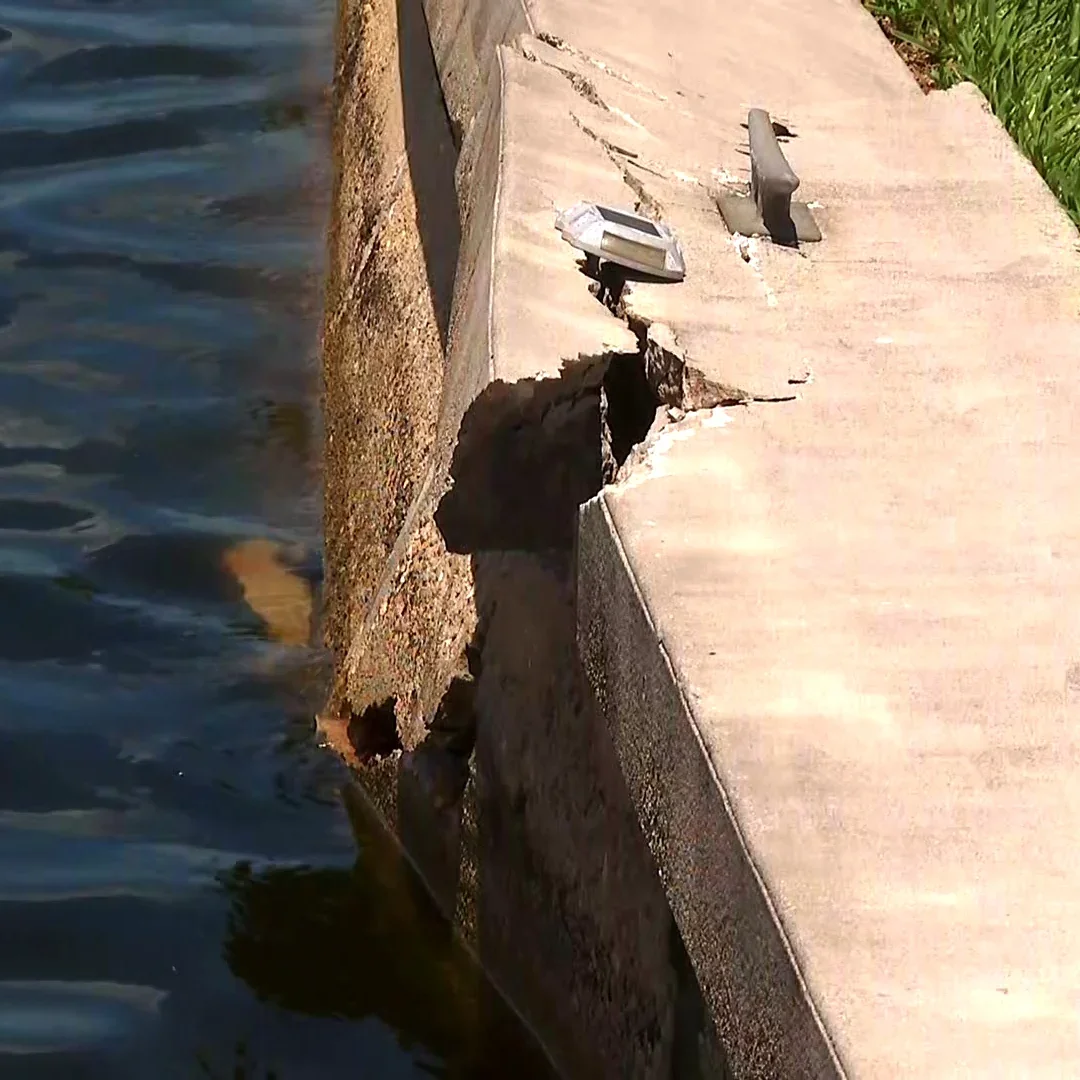
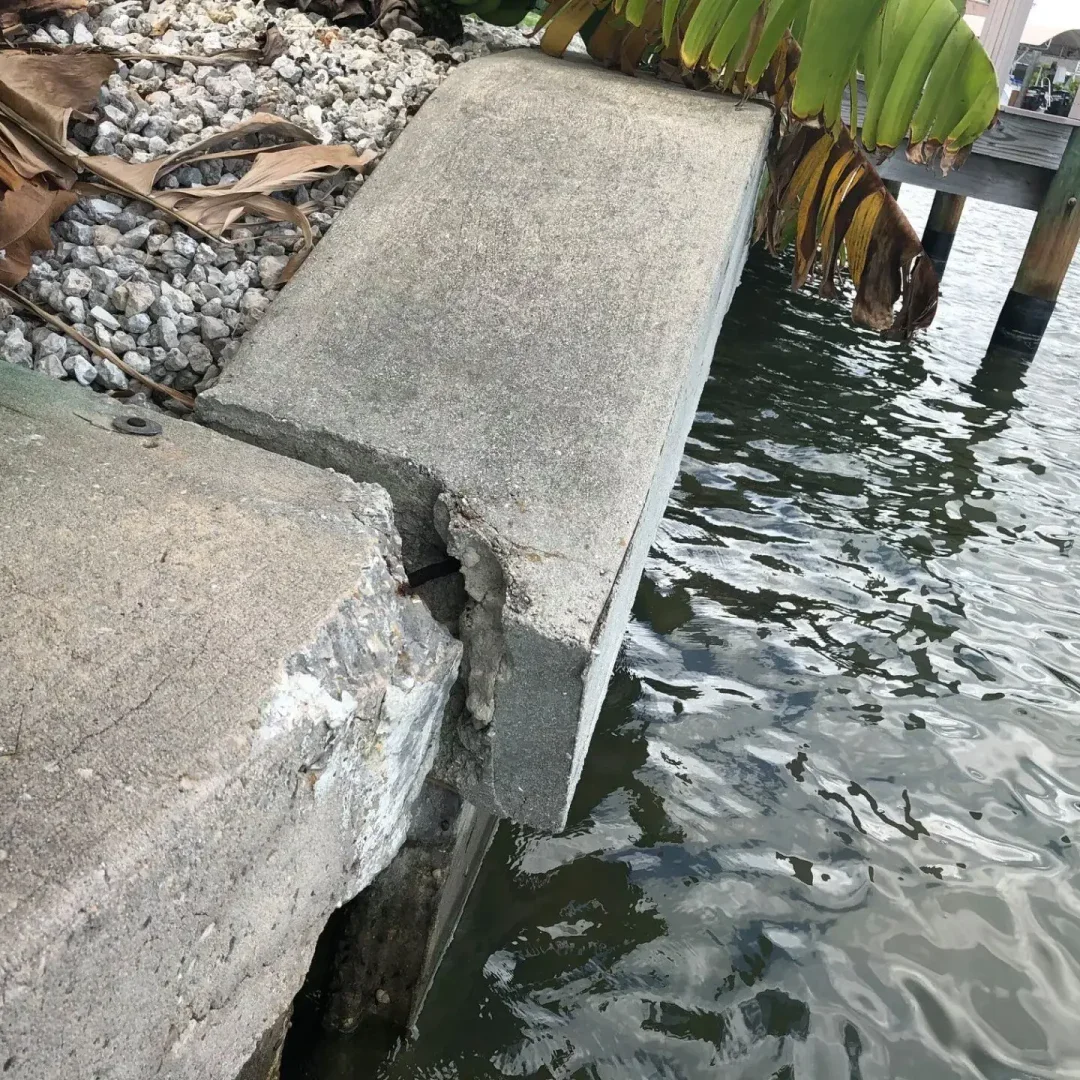
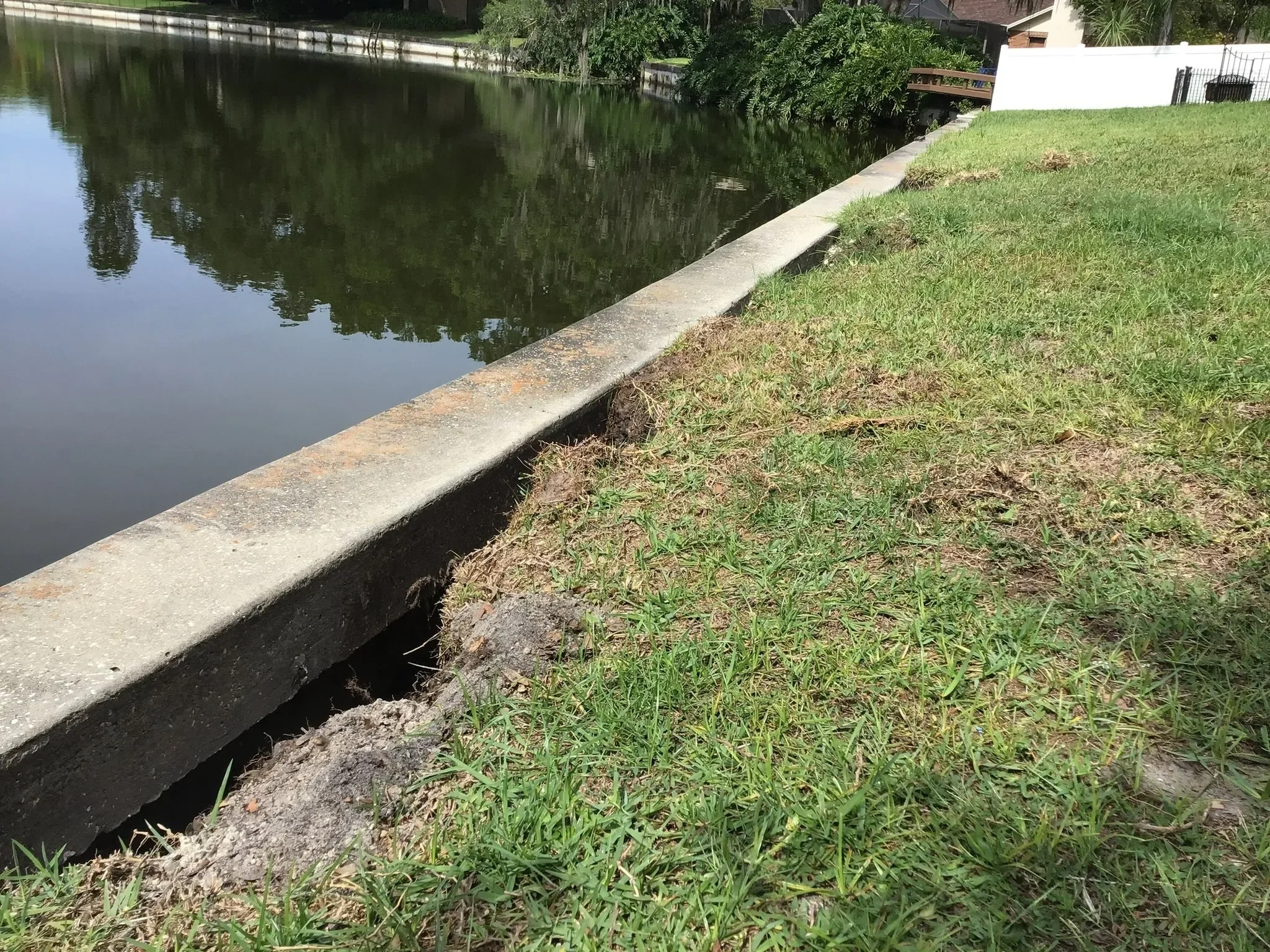
Most seawall failures begin behind the wall, where soil escapes through gaps and voids. We address the cause, not just the symptoms. We always start our process with a free consultation to determine if the damage is caused by erosion that can be stopped and reinforced through our process, or if the damage will require a full replacement or physical repair.
Dynamic Cone Penetrometer (DCP) Soil Testing
Understanding What's Happening Beneath Your Seawall
Not all seawall problems are visible from the surface. Soil erosion, underground voids, and changes in soil compaction can develop behind a seawall long before noticeable settlement or structural damage occurs.
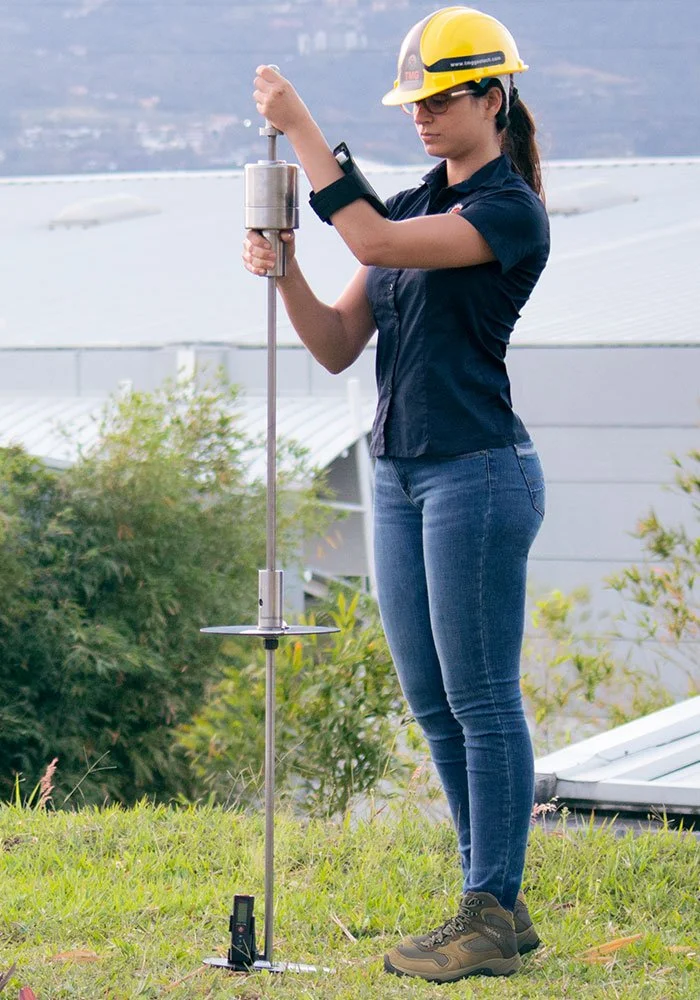
At Sturdy Seawalls, we use Dynamic Cone Penetrometer (DCP) testing to evaluate subsurface soil resistance and identify potential areas of concern.
How Does DCP Testing Work?
DCP testing uses a specialized instrument with a cone-shaped steel tip that is driven into the ground using a controlled hammer mechanism.
As the instrument penetrates the soil, measurements are recorded to determine how much resistance the soil provides at different depths.
These measurements help evaluate:
Subsurface soil strength and relative resistance.
Changes in soil conditions at different depths.
Potentially loose or poorly compacted soil.
Variations in soil support along the seawall.
Why Is This Important for Your Seawall?
Over time, water intrusion and soil migration can create underground voids and weaken the soil supporting the area behind your seawall.
DCP testing provides valuable information about subsurface conditions that cannot always be identified through a visual inspection alone.
Single-Component Polyurethane Injection
Advanced Soil Stabilization Without Replacing Your Seawall
At Sturdy Seawalls, we use specialized single-component polyurethane resin to address underground voids, soil loss, and compromised soil conditions behind existing seawalls.
Unlike traditional seawall repair methods that may require extensive excavation or structural replacement, polyurethane injection allows us to target subsurface problem areas with minimal disruption to your property.
How Does It Work?
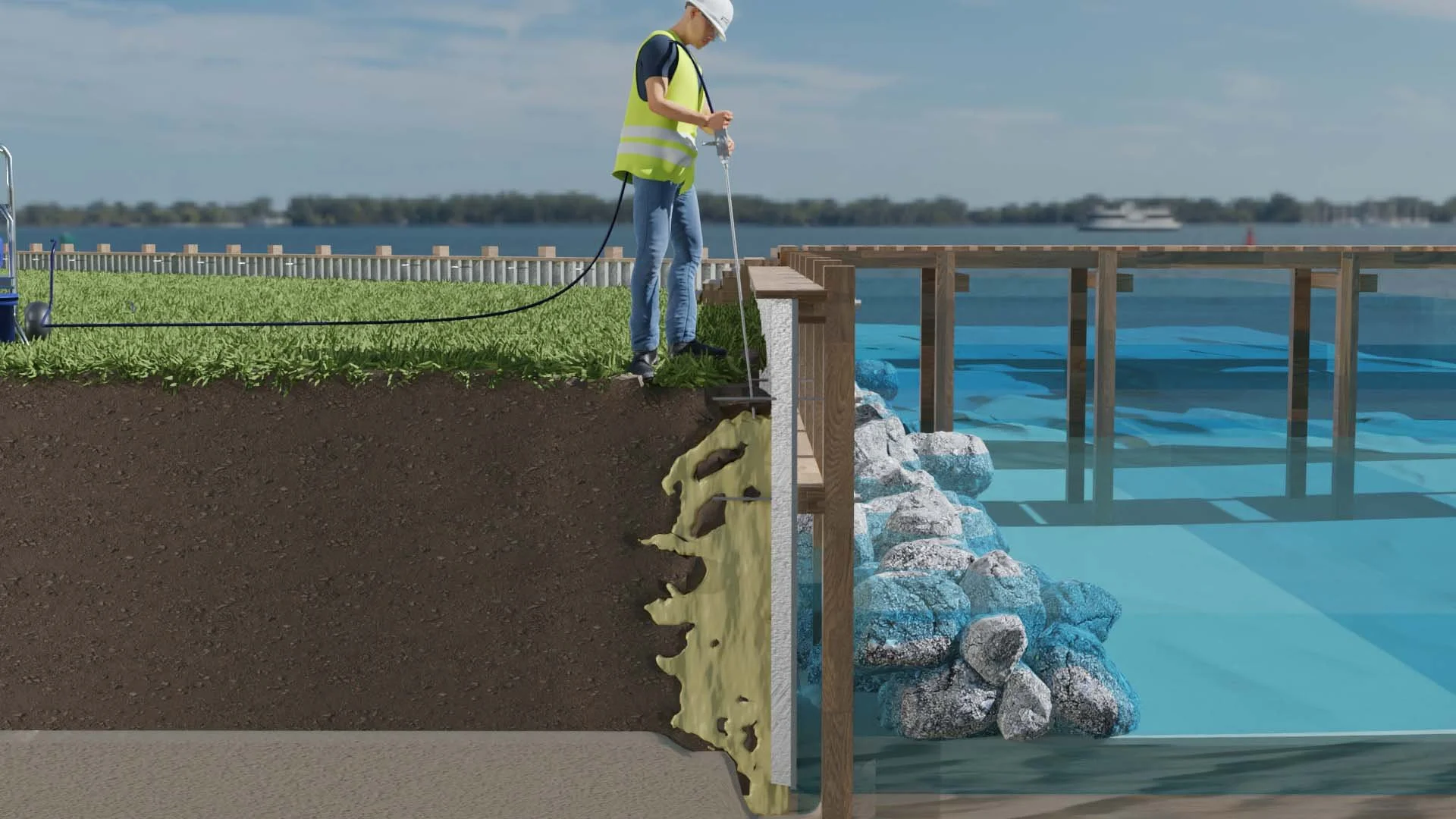
Single-component polyurethane is a specialized expanding resin that reacts with moisture in the surrounding environment to initiate a chemical reaction and expand.
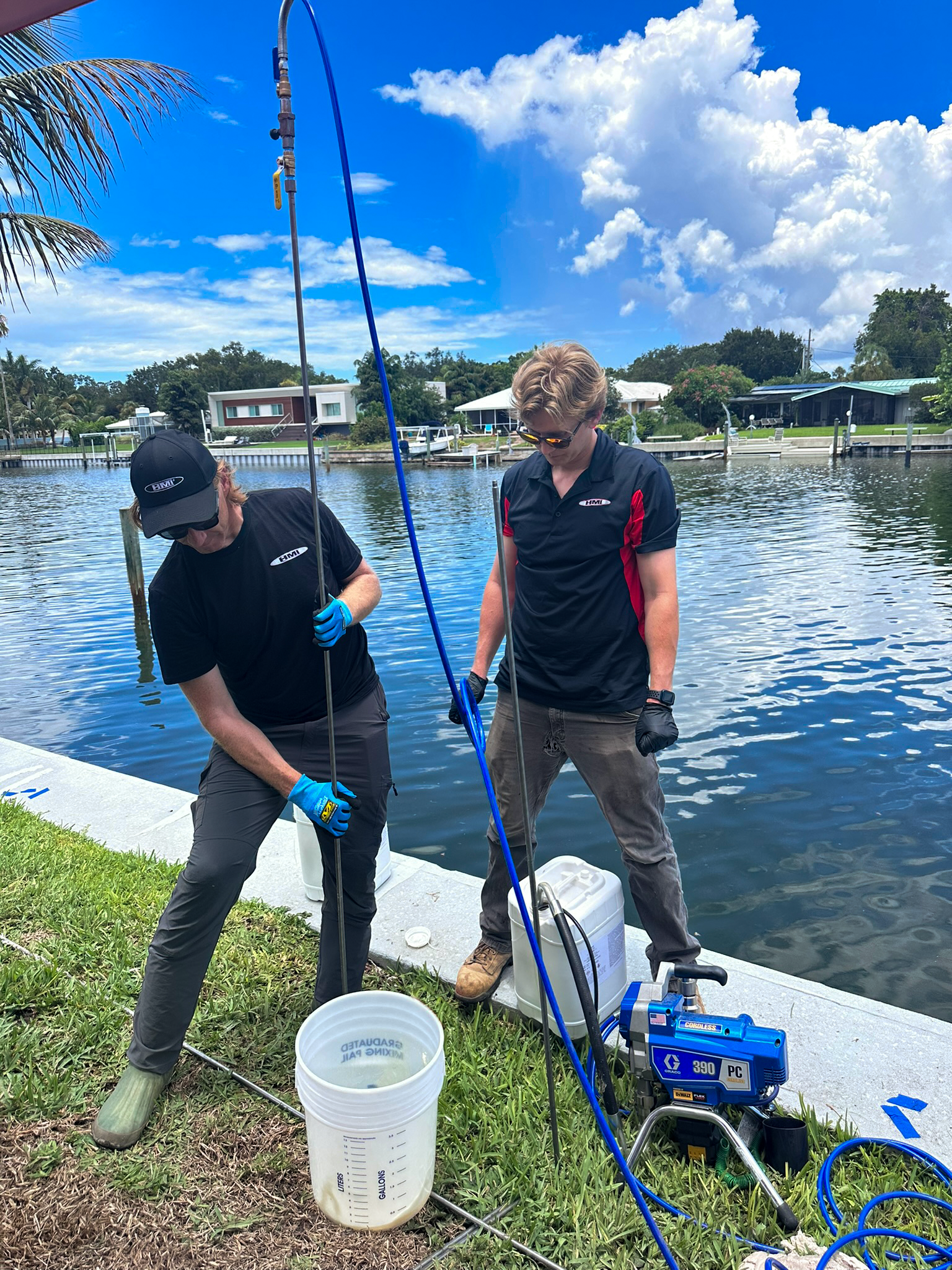
The material is delivered through strategically positioned injection probes installed in the soil behind the seawall.
Once injected, the polyurethane expands into accessible voids and surrounding soil spaces, helping fill cavities, displace loose soil, and improve ground support.
The Stabilization Process
1. Targeted Injection
Small-diameter access points allow injection probes to reach targeted soil zones behind the existing seawall.
2. Controlled Expansion
The polyurethane reacts and expands underground, flowing into accessible voids and spaces within the surrounding soil.
3. Soil Stabilization
As the material expands and cures, it forms a solid, interconnected structure within the treated soil, helping improve soil support and reduce pathways for further soil migration.
Why Single-Component Polyurethane?
Minimal Disruption: No need for extensive excavation or seawall removal.
Targeted Application: Material can be introduced directly into identified problem areas.
Expanding Technology: The resin expands to fill accessible voids and soil spaces.
Rapid Reaction: Specialized formulations react and cure relatively quickly.
Existing Seawall Preservation: Designed to address underlying soil conditions while leaving the existing seawall in place.
Is Polyurethane Injection the Right Solution for Your Seawall?
Knowing When to Stabilize and When to Replace
Not every seawall problem requires replacement. In many cases, the underlying issue is soil loss, underground voids, or weakened soil support rather than a failure of the seawall itself.
Single-component polyurethane injection can be an effective solution when the existing seawall remains structurally serviceable but the surrounding soil has become compromised.
However, when the seawall itself has experienced significant structural deterioration or failure, a different repair approach may be necessary.
When Polyurethane Injection May Be Appropriate
Polyurethane soil stabilization is generally best suited for situations where the existing seawall remains intact and the primary concern involves the soil behind it.
Conditions that may be suitable include:
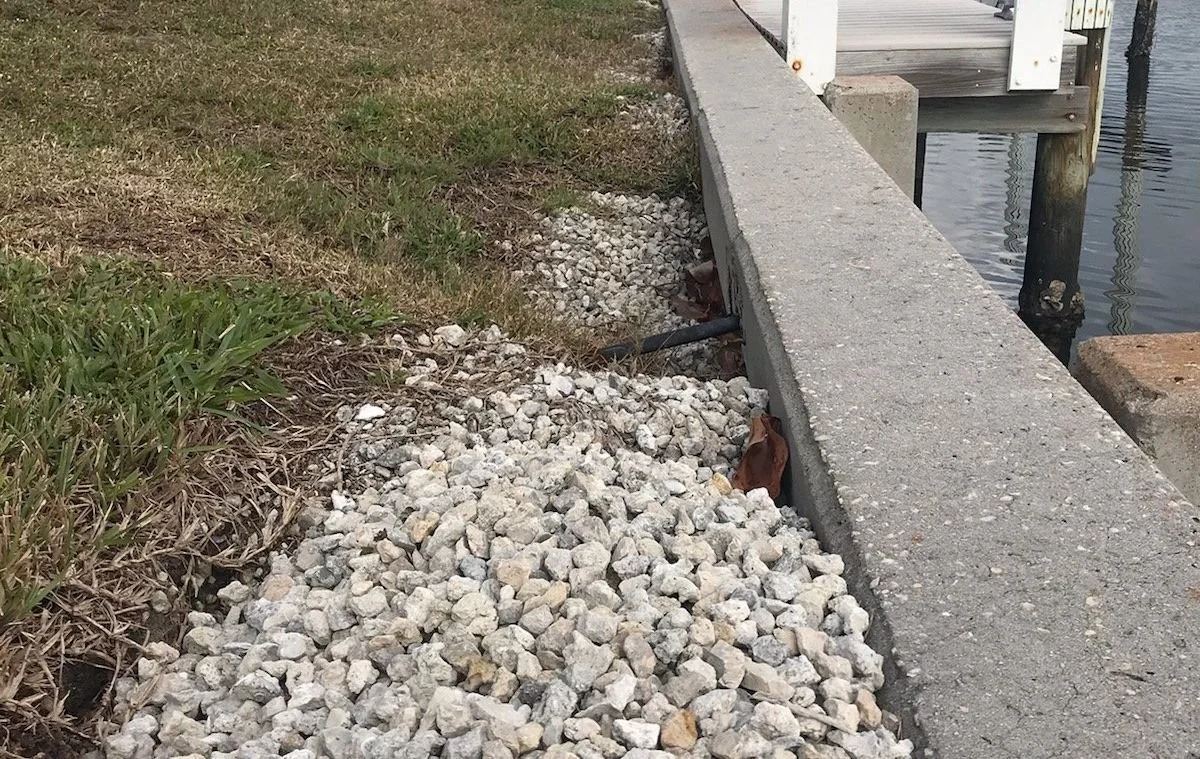
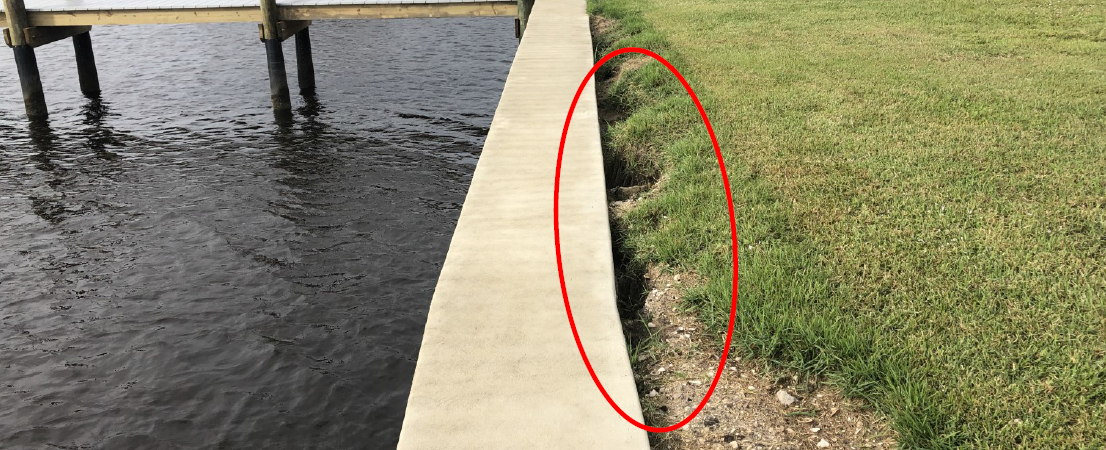
Soil Loss: Soil has migrated through or beneath the seawall, leaving areas of compromised ground support.
Underground Voids: Empty spaces or cavities have developed behind the seawall due to erosion or water movement.
Localized Settlement: Ground settlement, depressions, or sinking areas have appeared behind an otherwise serviceable seawall.
Reduced Soil Support: Subsurface testing indicates loose or weakened soil conditions that may benefit from stabilization.
Early Signs of Erosion: Soil migration is occurring, but the seawall has not experienced significant structural failure.
In these situations, targeted polyurethane injection may help fill accessible voids, improve soil support, and reduce pathways for continued soil migration without removing the existing seawall.
When Replacement or Other Structural Repairs May Be Necessary
Polyurethane injection is designed to address soil conditions, not repair a structurally failing seawall.
Replacement or other engineered repairs may be more appropriate when conditions include:
Significant Wall Movement: The seawall is leaning, bowing, or experiencing substantial displacement.
Structural Deterioration: Concrete panels, sheet piles, or other structural components have deteriorated beyond serviceable condition.
Tieback or Anchor Failure: Structural support systems have failed or are no longer providing adequate restraint.
Severe Structural Damage: Cracking, separation, or displacement indicates that the seawall itself may be compromised.
Extensive Structural Failure: The wall has lost its ability to adequately retain the surrounding soil and withstand imposed loads.
These conditions may require structural evaluation and repairs such as tieback replacement, structural reinforcement, panel replacement, or complete seawall reconstruction.
The Right Solution Starts With the Right Evaluation
At Sturdy Seawalls, we believe in identifying the underlying problem before recommending a repair.
Our approach combines visual inspections and subsurface soil evaluation to help determine whether polyurethane soil stabilization is an appropriate solution or whether additional structural repairs are necessary.
We don't believe every seawall needs to be replaced, but we also recognize when polyurethane injection alone isn't enough.
Our goal is simple: Preserve your existing seawall when possible, address the underlying soil conditions, and help you make an informed decision about the best path forward.
Not Sure What Your Seawall Needs?
Contact Sturdy Seawalls to discuss your seawall concerns and determine whether polyurethane soil stabilization may be an appropriate solution for your property.
When Polyurethane Injection May Be Appropriate
When Replacement or Other Structural Repairs May Be Necessary